
Wisdom Tooth Extractions Brenham
Creating Extra Space by Removing Wisdom Teeth
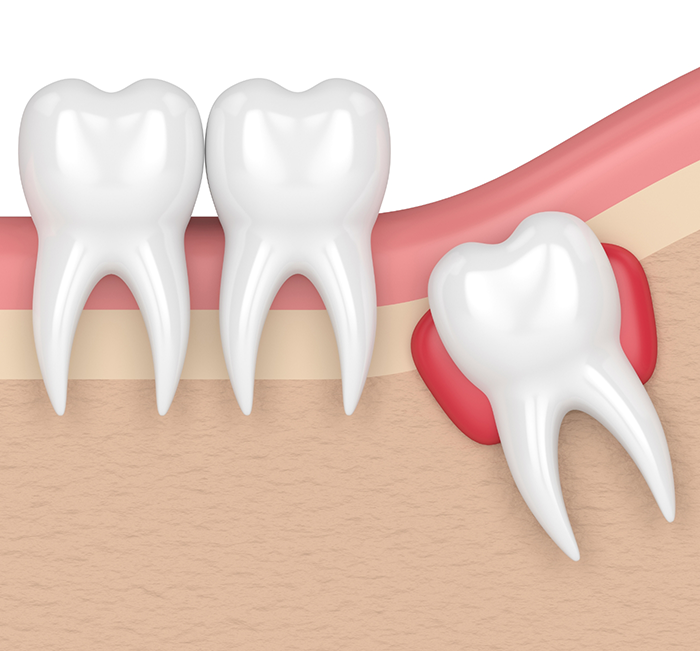
Have you recently begun to experience chronic jaw pain? Are you having difficulty keeping your molars decay-free? If you’re between the ages of 16 and 25, the culprit is likely your wisdom teeth. The good news is that our team at Smile Keepers can painlessly remove them, alleviating any discomfort you’ve been experiencing and restoring your healthy smile in the process. If you are interested in learning more about this emergency dentistry treatment, read on or get in touch with us!
Why Choose Smile Keepers for Wisdom Tooth Extractions?
- Dentists Who Treat Teenagers & Adults
- Sedation Dentistry Available for Anxious Patients
- We Welcome Dental Insurance, Financing, and More
What Are Wisdom Teeth?
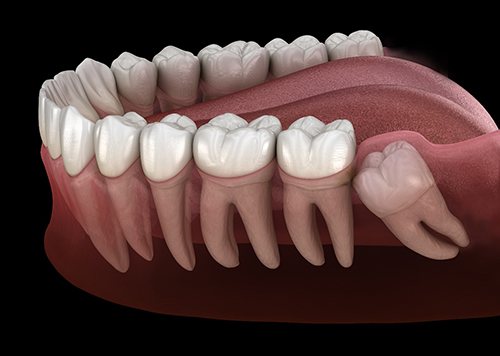
Simply put, wisdom teeth are the third set of molars. They usually erupt in the late teens or early twenties, causing considerable discomfort in the process due to a lack of space. The reason for this is simple: although they were once essential for early humans to eat denser and more coarse foods, diets have evolved, causing these teeth to become insignificant. Unfortunately, the body does not recognize this lack of need, so the wisdom teeth will often partially erupt or remain impacted beneath the gumline.
Why Do Wisdom Teeth Need to Be Removed?

If there isn’t enough room in your mouth for your wisdom teeth, several issues can arise, including chronic jaw pain and an increased risk of cysts. Not only that, but they can grow in sideways and get impacted underneath the surface. If that’s the case, then our dentists need to intervene with an extraction to create a healthier oral environment. If you suspect that you may benefit from having one or more of your wisdom teeth removed, then don’t hesitate to schedule an appointment at our office so we can complete a comprehensive oral exam.
What to Expect from the Wisdom Teeth Procedure

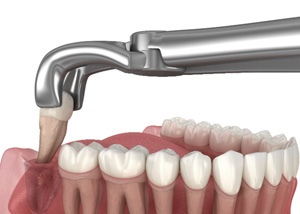
Using high-resolution imaging, our dentists will begin by determining how many wisdom teeth you have and whether they are above the gumline (partially erupted) or below the gumline (impacted). If visible, we will use dental forceps and a dental elevator to lift the tooth before moving it back and forth. This continuous motion will encourage it to detach from the ligaments, creating a seamless removal process.
If the tooth is impacted, a more invasive procedure will be required. After administering local anesthesia and dental sedation (if necessary), we will make a small incision in the gum tissue to expose the wisdom tooth and underlying bone. To prevent additional damage to the bone, we will likely separate the tooth into sections to create an easier extraction.
Recovering from Wisdom Teeth Extraction

Following your wisdom tooth extraction, it’s important that you abide by the aftercare instructions we give you, such as:
- Taking prescribed or OTC pain medication as directed
- Brushing carefully around the extraction site
- Placing a cold compress against the outside of your cheek
- Eating only extremely soft foods, like applesauce
- Not using a straw, spitting, or smoking
- Avoiding strenuous exercise, including running
Understanding the Cost of Wisdom Tooth Extractions

It can be difficult to budget for expenses like wisdom tooth extractions when you don’t know the total. However, until your smile has been evaluated in-person by one of our caring dentists, it is difficult to quote you an exact price. Here’s a closer look at what they’ll be looking for at your consultation, and how they’ll determine the cost of your wisdom tooth extractions once they do.
Factors That Can Impact the Cost of Wisdom Tooth Extractions
During your consultation at Smile Keepers, your dentist will be looking for a few important factors that can affect the cost of your wisdom tooth extractions. These include:
- The number of wisdom teeth that need to be removed - Because not everyone has four wisdom teeth (or will need all their wisdom teeth extracted), this number can vary from patient to patient.
- If your wisdom teeth are impacted – Unfortunately, impacted wisdom teeth can be harder to
remove, and may require the assistance of an oral surgeon.
- There are also two different types of impactions, soft tissue impaction (where your wisdom tooth has either fully or partially emerged from your gums) or bony impaction (where your wisdom tooth is still stuck in the jawbone). These require different extraction methods, each of which have different costs.
- Which type of anesthesia and/or sedation are required – This depends on if you need a surgical extraction or a normal extraction. For nervous or anxious patients, you may also choose to receive dental sedation, which could also incur a separate charge.
- Which type of dental specialist performs your procedure – In some cases, you may need to have your wisdom tooth extraction performed by an oral surgeon, which can result in a higher cost depending on the terms of your dental insurance plan.
Does Dental Insurance Cover Wisdom Tooth Extractions?

In most cases, dental insurance should cover at least some of the cost of a wisdom tooth extraction; however, please be aware that not all plans will, which is why it’s so important to confirm your coverage prior to your procedure. Coverage may also depend on whether you’ve met your annual maximum and deductible for the year. For details about your specific plan, call your provider directly, or let us know and we’ll be glad to assist you with this!
Other Options for Making Wisdom Tooth Extractions Affordable

At Smile Keepers, we understand that unexpected expenses like wisdom tooth extractions can catch you off guard- but delaying important oral health care can ultimately cost you more in the long run. That’s why we’re proud to welcome five different options for financing your wisdom tooth extraction. To learn more about these creditors and apply for a flexible, low-to-no-interest payment plan to make your treatment more affordable, visit our website or contact us today for more information.