
Tooth Extractions Brenham
Ensuring Better Oral Health by Removing Damaged Teeth

Once your permanent teeth erupt, they are meant to remain firmly in place for the rest of your life. However, problems can arise that result in a change of plans – the kind that requires tooth removal. Although it is never our first choice to extract any natural teeth, our dentists know that certain cases require this procedure if better oral health is to be achieved. If that’s the case for you, trust that we will make sure you remain safe and comfortable during your time in the treatment chair while also discussing reliable options for tooth replacement. To learn more about tooth extractions in Brenham, schedule an appointment with us or read on!
Why Choose Smile Keepers for Tooth Extractions?
- Comfort-Focused Dentistry with Three Methods of Sedation
- Dentists Treat Brenham Patients of All Ages
- Three Safe & Effective Tooth Replacement Solutions
Reasons Why Tooth Extractions Are Necessary
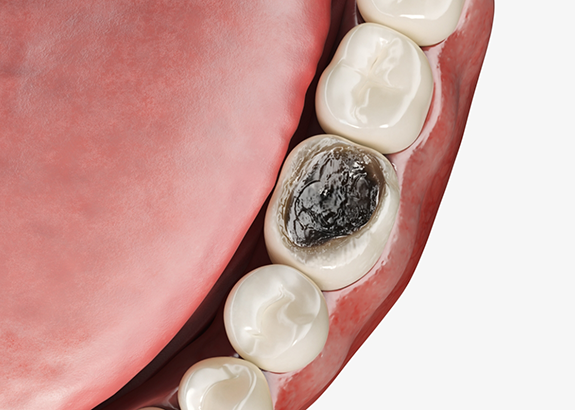
Our dentists at Smile Keepers will recommend tooth extraction if:
- A badly decayed tooth cannot be treated with the help of a root canal.
- Advanced gum disease causes recession as well as bone loss, which results in one or more teeth becoming loose.
- You need braces to address overcrowding, but need appropriate space for teeth to shift and align properly.
- You require custom prosthetics, and your remaining teeth are at risk of falling out.
- You have a child whose baby tooth will not come out on its own, and their permanent tooth cannot erupt.
- Dental trauma caused by sports or another form of excessive pressure results in badly damaged teeth being unsavable.
The Process of Removing a Tooth
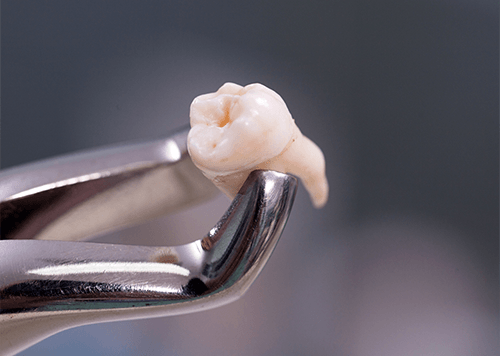
The process will look a little different depending on whether the tooth in question is above or below the gumline. If it is trapped underneath, then we will need to make a small incision in the gums, remove the tooth section by section, and tend to the extraction site. If it has already broken through the gumline, however, then we can simply rock it loose until it’s ready to be removed. In both cases, the first step is to numb your mouth thoroughly. So, you don’t have to worry – you won’t feel any pain during your time in the treatment chair.
Tooth Extraction Aftercare
Before you leave, your emergency dentist in Brenham will provide you with a list of aftercare instructions so you can heal comfortably at home, including:
- Changing the gauze as needed
- Eating only extremely soft foods
- Drinking plenty of water (without a straw)
- Using a cold compress for 10 minutes at a time
- Taking prescribed or OTC pain medication as directed
- Keeping your head elevated, including while you sleep
If you have any questions for us about tooth extractions, then don’t hesitate to take the next step: get in touch with our team at Smile Keepers! We’d be happy to provide the answers you’re looking for and schedule an appointment at our office to get your oral health back on track.
Understanding the Cost of Tooth Extractions

Tooth extraction is sometimes the best way to resolve a destructive oral health issue and prevent worsening infections, but it’s still perfectly reasonable to ask how much the procedure will cost before you commit to it. While we cannot provide you with an accurate cost estimate until we have evaluated your oral health at our office in Brenham, this guide can give you a better idea of what to expect. Here’s a quick look at how extractions are priced as well as how the friendly team at Smile Keepers can help make your procedure more affordable.
Factors That Can Affect Tooth Extraction Cost

A few factors that will probably make up most of the cost of your tooth extraction include:
- The location of the tooth being extracted: Teeth located further back in the mouth are larger and harder to reach and have more complicated anatomy, so they are usually more expensive to extract.
- The number of teeth being extracted: Each tooth removed will be represented individually on your bill.
- The complexity of the case: In some cases, it may be necessary to refer you to a specialist who uses a different pricing structure.
- Replacement options: It’s best to replace lost teeth as soon as possible to prevent oral health issues like dental drift, and we’ll be happy to help you find the best restoration for you. We offer top-quality dental implants, bridges, and dentures that can restore the beauty and function of your smile.
Does Dental Insurance Cover Tooth Extractions?

Many insurance plans cover tooth extractions by about 50%, but your policy may impose restrictions like an annual maximum, a waiting period, or a deductible that must be met before benefits take effect. We’ll be happy to help you navigate your insurance policy and maximize your coverage.
How to Make Tooth Extractions Affordable

We understand that some patients may need a little help making necessary tooth extractions affordable, and we want to make sure everyone in the Brenham area has access to the high-quality oral care they need to stay healthy. To that end, we offer flexible financing options from trusted third-party lenders like CareCredit, Alphaeon, Lending Club, Cherry, and Proceed Finance. These payment plans allow patients to break their bills into small monthly installments that are easy to manage. We also offer a special for a $40 emergency dental appointment that includes an exam and X-rays.
Tooth Extractions FAQs
Is there an alternative to a tooth extraction?
It’s normal to wonder whether there are alternative services that can potentially improve your dental health before proceeding with an extraction. For instance, in many cases, undergoing a root canal and placing a dental crown can be an effective way to alleviate toothaches and restore injured teeth.
However, this treatment is often recommended as a last resort when our team has already determined that no other options can sufficiently repair the damage or improve your dental condition. Furthermore, if you have problematic wisdom teeth, removal may be the only way to prevent potential problems, like discomfort, infection, impaction, or overcrowding.
Do tooth extractions usually hurt?
Our compassionate team understands that many patients feel nervous when it comes to tooth extractions, but rest assured, we will do everything we can to help you feel comfortable throughout your procedure. For example, we’ll numb the area with a local anesthetic before getting started so that you might sense pressure while we work, but shouldn’t feel pain.
We also offer multiple options for sedation, such as nitrous oxide (laughing gas), which is inhaled through a mask placed over your nose, oral conscious medications taken as a pill, or IV sedation that is administered directly to your blood stream, so you don’t have to worry about discomfort until after your appointment.
Then, it’s normal to feel sore and swollen for a few days after your extraction, but this usually resolves itself gradually and can be addressed with over-the-counter drugs like ibuprofen or acetaminophen. If you develop persistent or worsening pain that lasts a week or more, please contact our office in Brenham so we can ensure that you’re recovering as intended.
Can I leave the space empty after my procedure?
Some patients who are hoping to avoid another procedure or want to reduce potential out-of-pocket expenses wonder whether it’s okay to leave the space empty after their troublesome tooth is removed, especially if it’s located in the back of their mouth where no one is likely to see it.
But your remaining teeth are prone to shifting out of alignment to close the gap, which can contribute to additional concerns. For instance, you might wear down your enamel unevenly or prematurely and get cavities or sustain injuries. You could also develop a TMJ (temporomandibular joint) disorder or discomfort. Our team typically recommends replacing your extracted tooth sooner rather than later to avoid these complications.
What are the options for replacing my recently removed tooth?
You’re not alone if you’re wondering how to rebuild your smile after your procedure. Our practice offers three treatment options, outlined in more detail below:
- This is the tried-and-true solution for tooth loss, and partial sets can sometimes be used to refurbish individual teeth.
- Dental bridges. These oral appliances contain the needed number of teeth positioned between a dental crown at each end, which are cemented over abutment teeth or dental implants on either side of the gap in your grin.
- Dental implants. These are the only replacements that are surgically positioned in your jaw and eventually fuse with the bone, and then are capped with an appropriate restoration, such as a customized dental crown.
Our team is happy to make a professional recommendation based on your unique circumstances.